Steps to Handle Drain Emergencies
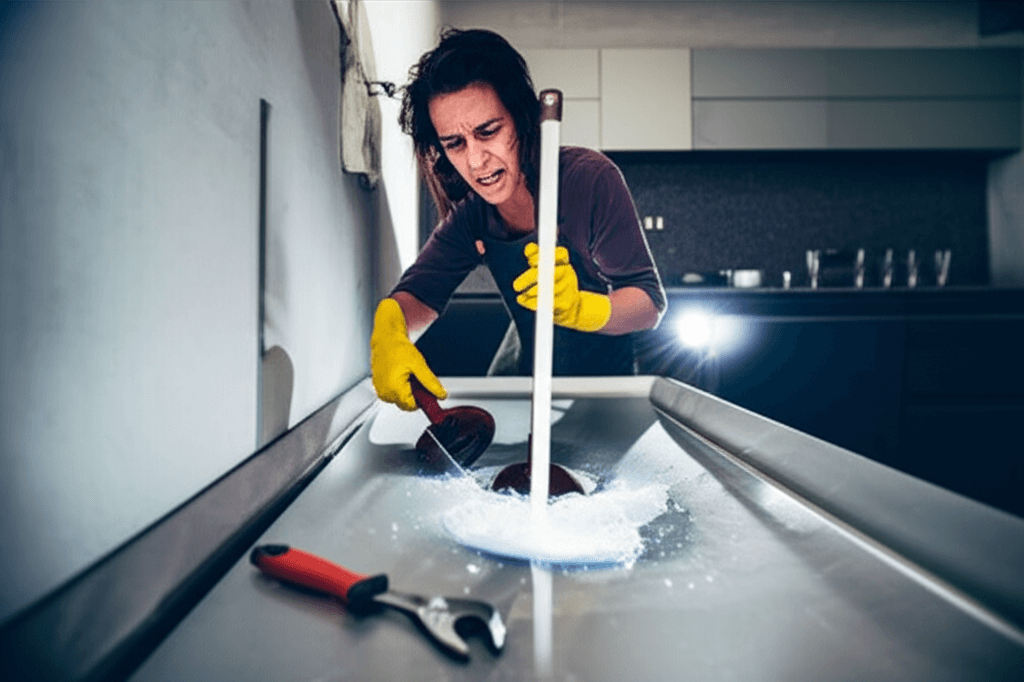
A clogged drain late at night hits like a small disaster that quickly gets out of hand. Moving quickly and staying cool helps keep damage down, cleans up faster, and saves money from stacking up. Clear steps to handle drain problems let people jump right in without freaking out when backups happen. Anyone facing sudden plumbing headaches will feel relief knowing how to take control and stop the problem before it grows. Dive in to find easy tricks that turn a messy mess into a fast fix. This know-how could save a lot of stress and cash when trouble shows up.
The guidance below covers immediate safety moves, simple do it yourself steps that often work, signs that mean it is time to bring in a pro, what a technician will do, and routines that cut the chance of another late night call. Practical tips and real world examples are included so you know what helps right away and what should wait for experts.
Recognize the Signs of a Drain Emergency
Not every slow drain is an emergency. Spotting the difference saves time and cost. Typical emergency signs include standing water that will not move, sewage odor inside the home, gurgling sounds in multiple drains, water rising from floor drains, and sewage backing up into toilets or sinks. If raw sewage is present, treat the situation as high risk and follow the safety steps below.
Other clues that point to a severe problem are multiple fixtures acting up at once, such as a sink, tub and toilet all slow or backing up. This often signals a main line blockage rather than a single fixture clog. Time of day matters too. A blockage during heavy rain can mean exterior drains are overwhelmed. When in doubt, take actions that reduce exposure and call for help if you see signs of contamination.
Immediate Safety Steps to Take When Drains Back Up
Safety is the top priority in a drain emergency. If water contains sewage, avoid skin contact and keep pets and children away. Open windows for ventilation and turn off any electrical equipment near pooled water. Use gloves and eye protection if you must move or remove contaminated items.
- Stop water use in the affected area to limit overflow
- Cover floor drains or low openings to contain water if needed
- Contain contaminated water with towels or barriers to protect floors and belongings
- Wear heavy gloves and boots when handling contaminated items
If the problem involves a burst pipe, shut off the main water valve to stop flow. If you do not know how to shut off the valve, move to a dry area and call emergency help. These early containment steps lower the chance of structural damage and make cleanup faster.
Quick DIY Actions to Reduce Damage
When a drain emergency is not related to raw sewage, a few measured do it yourself steps can relieve pressure until a professional arrives. Avoid extreme or forceful methods that can worsen pipe damage.
- Use a plunger in a firm, steady way to clear a sink or toilet blockage
- Try a hand auger for sink traps and short runs
- Remove and inspect the P trap under sinks to clear hair and debris
- Flush gently with hot water for grease clogs in kitchen drains
Tools to keep on hand
Stocking a few basic tools reduces panic when an emergency hits. Keep a heavy duty plunger, a 6 to 10 foot hand auger, rubber gloves, a bucket, and a few rags in a known spot. A flashlight and a small mirror can help examine hard to see areas under fixtures.
Steps to try before calling a pro
Start with the simplest actions and work up. Clear surface debris, run hot water, then use a plunger. If a plunger fails, try the hand auger. If those steps do not restore flow within a short time, stop and call a professional. Overworking pipes or using harsh chemicals can damage older lines and increase repair cost.
When It Is Time to Call a Professional
There are clear moments to stop DIY and call trained technicians. Situations that require professional attention include raw sewage in the home, repeated backups after temporary fixes, signs of a broken or collapsed line, and blockages that affect multiple fixtures. If you spot mold growth from standing water or notice foundation dampness, call for help right away.
If you need immediate coverage at any hour, look for services that advertise around the clock response and local rapid crews. For example, a reliable 24-hour drain service can dispatch technicians who arrive with equipment to locate and remove hard blockages, inspect lines with video cameras, and begin repairs on site when necessary.
What Professional Technicians Will Do on Arrival
When a qualified technician arrives, expect a methodical approach. They will first assess safety and isolate the affected area. Then they will identify the location and likely cause of the problem. Common professional actions include removing debris, using high pressure water jetting to clear long blockages, snaking the main line with motorized augers, and performing a camera inspection to find cracks or roots inside the pipe.
- Camera inspection provides a visual map of the pipe and pinpoints damage
- Jetting removes grease, scale, and roots more effectively than chemical cleaners
- Motorized snaking handles dense obstructions that hand tools cannot
- Minor repairs can sometimes be completed immediately to restore function
Ask the technician for a clear explanation of the problem, the recommended repair or replacement, and an estimated cost range. A professional should explain options and risks so you can choose the most practical solution for your property.
Preventative Measures to Reduce Future Emergencies
After resolving an emergency, take steps that reduce the chance of a return. Regular maintenance extends the life of pipes and lowers the likelihood of sudden blockages. Simple routines that pay off include scheduled drain cleaning for older systems, mindful kitchen habits to prevent grease buildup, and trimming trees with roots near sewer lines.
- Do not pour grease or oil down kitchen drains
- Use hair traps in bathroom drains and clean them regularly
- Flush only toilet paper and avoid flushing wipes
- Check for slow drains and address them before they worsen
Consider an annual inspection of your sewer line with a camera if your home has mature landscaping or older pipes. Early detection of small cracks or intrusions makes repairs simpler and less costly than waiting for a full collapse.
How to Choose an Emergency Drain Service Provider
When selecting a company, focus on response time, local reputation, and the methods they use. A good provider will offer clear pricing, explain service options, and show proof of licenses and insurance. Avoid companies that pressure you into unnecessary work or use scare tactics.
- Read recent customer reviews and look for examples similar to your problem
- Confirm they offer emergency response if your issue is outside normal hours
- Ask which diagnostic tools they use and whether a camera inspection is included
- Get estimates in writing when possible to compare scope and costs
Local knowledge matters. Teams familiar with common regional issues such as clay pipe roots or hard water buildup are more likely to recommend repairs that last. If you have municipal sewer records, share them with the technician to speed diagnosis.
Keep contact details for your chosen provider in a convenient place. When a problem occurs, quick contact and the right questions get help on site faster and reduce confusion during a stressful event.
Handling a drain emergency begins with calm and ends with a plan to reduce repeat incidents. Protect people and property first. Try simple, safe do it yourself steps when appropriate and stop before causing more damage. Call a skilled crew for sewage, main line failures, or when the issue affects multiple fixtures. After the immediate problem is solved, adopt basic maintenance habits and schedule periodic inspections to lower the odds of another late night interruption.
If you face a clogged drain right now, follow the safety checklist in this article and contact a local emergency provider for evaluation. Keeping tools on hand and storing one trusted company number can cut stress when time matters most. Take action quickly to limit water damage, document what happened for insurance if needed, and plan preventive steps so the next incident is less likely. Reach out for help when a problem is beyond simple fixes and keep a written plan so everyone in your household knows what to do when a drain emergency arises.